

AI Case Studies
Real examples of how AI can be applied in Business Change.
Each case study shows:
• The problem
• The approach
• The outcome
So you can see exactly how AI delivers real value in practice.
Practical, transparent examples of how AI supports Business Change delivery, based on real scenarios, pilots and day‑to‑day work. Each case note shows both sides: where AI accelerates the work, and where your professional context, ethics and judgement are essential.
These aren’t polished “success stories”. They’re grounded, practitioner‑level insights designed to help you understand how to use AI responsibly in real organisations
Honest, practitioner‑level examples of how AI supports Business Change, grounded in real delivery work.
✨Case Note #1
The Challenge
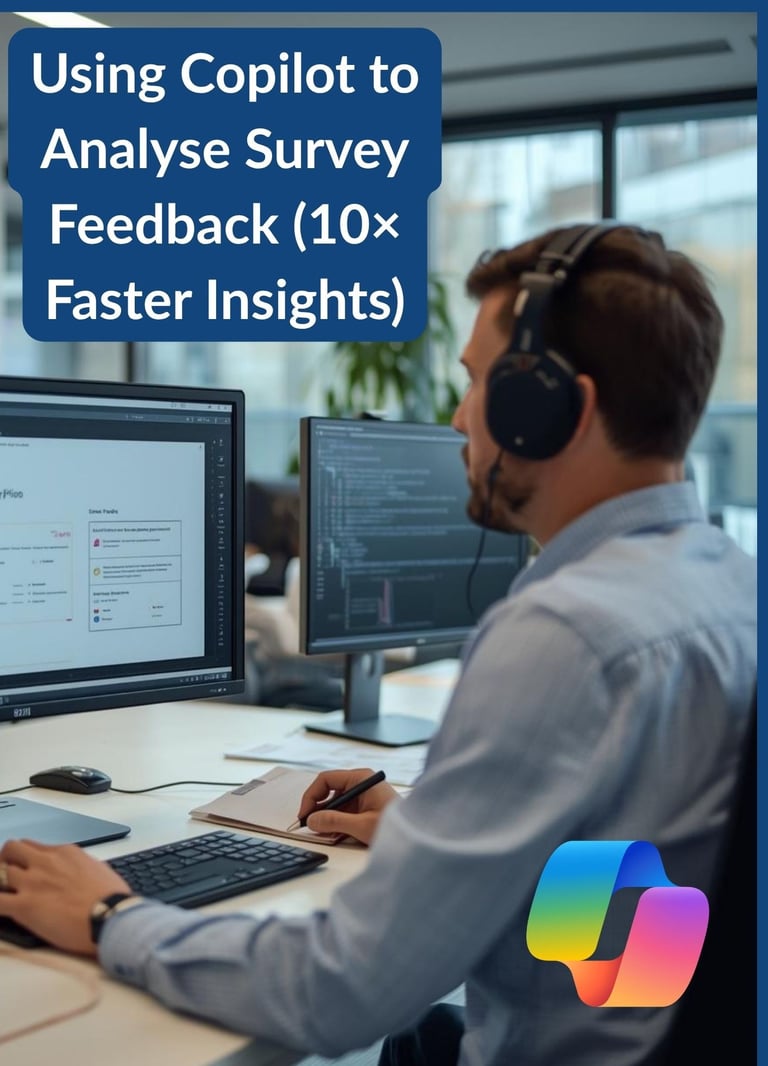
Analysing open‑text survey responses manually takes hours and can lead to inconsistent theme spotting. During a recent pilot, we collected qualitative feedback from colleagues to understand what worked, what didn’t, and what users needed next.
Where AI Helped
Copilot quickly grouped comments into themes (clarity, ease of use, wellbeing value, trust), surfaced repeated ideas, highlighted adoption risks, and summarised user language. This produced a clean insight summary in minutes, not hours.
Where AI Didn’t Help
It couldn’t interpret emotional nuance, organisational politics, or whether an issue was an outlier. All insights required human interpretation and SME validation.
Outcome / Learning
Clearer insights, faster iteration, and a stronger Lessons Learned report but always paired with professional judgement and context.
You can try this yourself using the prompts in the Prompt Library
✨Case Note #2
The Challenge
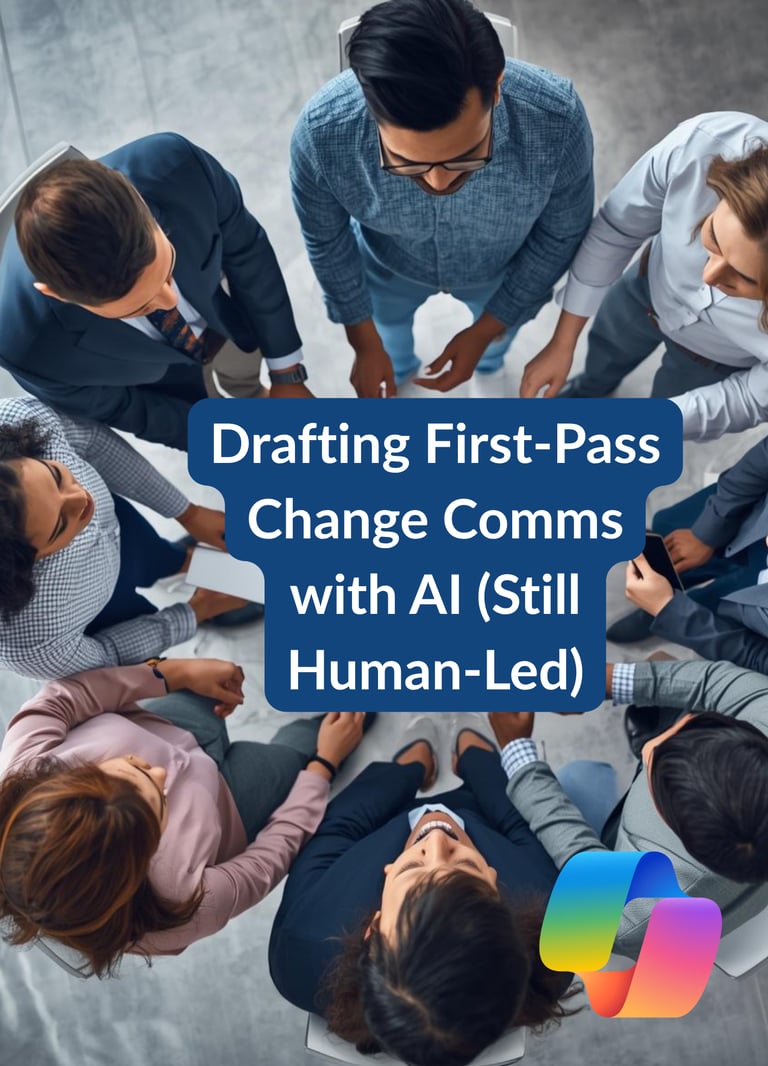
Different audiences needed different versions of a change message (leaders, frontline teams, project stakeholders). Writing from scratch each time is slow.
Where AI Helped
Copilot produced quick first‑pass drafts based on a message map:
leadership version (outcomes, risks, milestones)
frontline version (practical changes, what it means day‑to‑day)
Where AI Didn’t Help
Tone, sensitivity and accuracy still required careful human editing. Leadership nuances, cultural phrasing and sign‑off content cannot be automated.
Outcome / Learning
AI reduced drafting time significantly but final messaging always needed a human hand to land well.
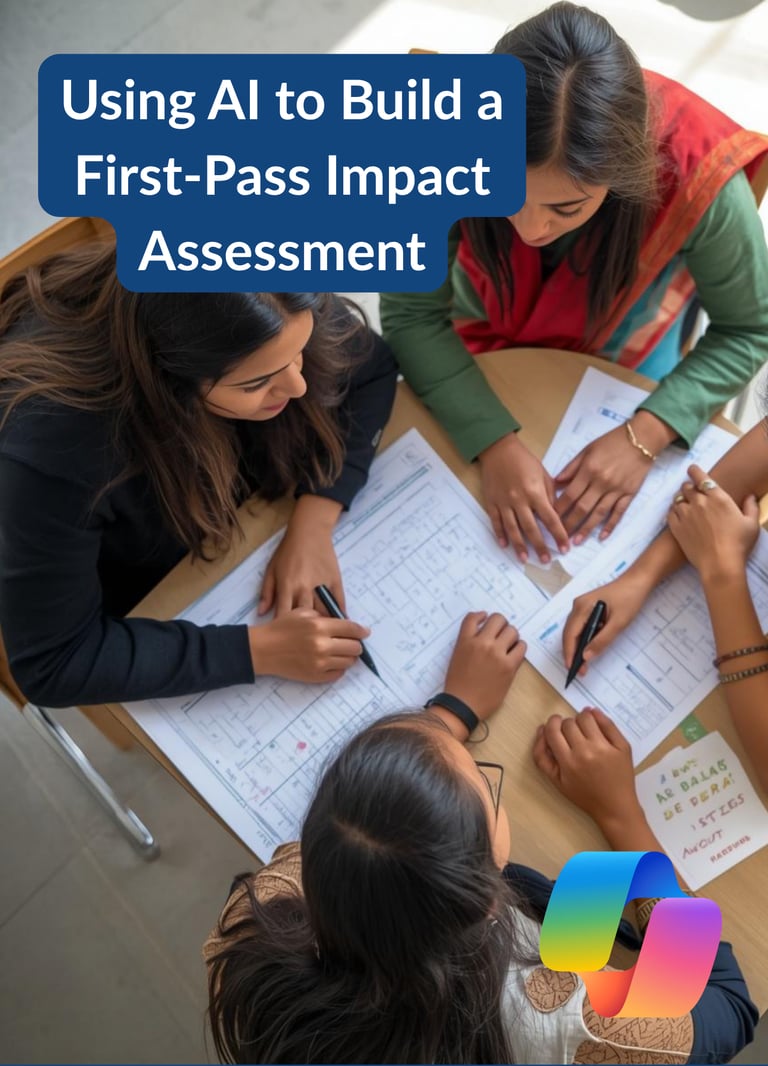
✨Case Note #3
The Challenge
Raw notes from discovery sessions were messy and inconsistent. Producing a structured impact assessment manually is time‑consuming.
Where AI Helped
Copilot extracted potential impacts, clustered them by theme (People, Process, Tech, Data), suggested early mitigations, and provided a first‑pass structure to work from.
Where AI Didn’t Help
AI cannot validate impact severity, understand hidden dependencies, or judge political sensitivities. SME review and delivery‑team validation were essential.
Outcome / Learning
AI helped accelerate early structure creation, but human oversight was required to ensure accuracy and alignment.
More Case Notes Coming
Future case studies will cover:
*Using AI to cluster interview themes
*Using AI for readiness and hypercare planning
*Using AI to summarise technical documentation
*Using AI during change discovery
Video walkthroughs are planned, showing exactly how I use Copilot in real scenarios.
Want to try these techniques yourself?
Explore the Prompt Library or AI‑Ready Templates
Smart Tools for Smarter Business Change
Tools and insights for effective business transformation.
Email: info@techbiztoolkit.com
© 2026. All rights reserved.